•
•4 min read
Don’t call me for it, just checking 🙂
Notion is emerging as a user-friendly CMS alternative with intuitive design, powerful databases, customizable templates, and strong collaboration features. However, it lacks native hosting, robust SEO capabilities, and may not scale well for larger sites.
Notion, the all-in-one workspace, is increasingly being considered as a lightweight CMS. It offers a unique approach compared to traditional systems like WordPress or Drupal. Let's delve into its potential.
Testing Aspect Ratios
expecto_debugum
/*
 * stack.c
 *
 * Author: Raiyan Sarker
 * Created: 2026-01-28
 *
 * Description:
 * Implementation of a stack data structure with basic
 * operations: push, pop, display.
 * sdiuhfis sdf. sdfds fsd fs df sd fsdhfi sdf sduhiuhfsdi. iush iusdh iuhius iuh siudhfiusdhfi usd iufh iushfiuhsdiufh iusdhfiusdhfiuhds iufh isudhf iusdhf iuhsdiufh is hiuh iusdhfiusd fiuh dsf
 */

#include <stdlib.h>
#include <stdio.h>
#include "stack.h"

Node* stack_init() {
  return NULL;
}

void stack_push(Node **head, int data) {
  Node *node = (Node*)calloc(1, sizeof(Node));
  node->data = data;
  node->next = *head;

  *head = node;
}

void stack_pop(Node **head) {
  Node *curr = *head;

  if (curr == NULL) return;

  *head = curr->next;

  free(curr);
}

void stack_display(Node *head) {
  Node *curr = head;
  while (curr != NULL) {
    printf("%d ", curr->data);
    curr = curr->next;
  }
  printf("\n");
}

Node* stack_init() {
  return NULL;
}

void stack_push(Node **head, int data) {
  Node *node = (Node*)calloc(1, sizeof(Node));
  node->data = data;
  node->next = *head;

  *head = node;
}

void stack_pop(Node **head) {
  Node *curr = *head;

  if (curr == NULL) return;

  *head = curr->next;

  free(curr);
}

void stack_display(Node *head) {
  Node *curr = head;
  while (curr != NULL) {
    printf("%d ", curr->data);
    curr = curr->next;
  }
  printf("\n");
}

Node* stack_init() {
  return NULL;
}

void stack_push(Node **head, int data) {
  Node *node = (Node*)calloc(1, sizeof(Node));
  node->data = data;
  node->next = *head;

  *head = node;
}

void stack_pop(Node **head) {
  Node *curr = *head;

  if (curr == NULL) return;

  *head = curr->next;

  free(curr);
}

void stack_display(Node *head) {
  Node *curr = head;
  while (curr != NULL) {
    printf("%d ", curr->data);
    curr = curr->next;
  }
  printf("\n");
}

Node* stack_init() {
  return NULL;
}

void stack_push(Node **head, int data) {
  Node *node = (Node*)calloc(1, sizeof(Node));
  node->data = data;
  node->next = *head;

  *head = node;
}

void stack_pop(Node **head) {
  Node *curr = *head;

  if (curr == NULL) return;

  *head = curr->next;

  free(curr);
}

void stack_display(Node *head) {
  Node *curr = head;
  while (curr != NULL) {
    printf("%d ", curr->data);
    curr = curr->next;
  }
  printf("\n");
}
The Allure of Notion CMS:
- Ease of Use: Notion's intuitive interface allows anyone to create and manage content without coding knowledge. The drag-and-drop functionality makes structuring pages a breeze.
- Database Power: Notion's databases are the key. You can use them to store blog posts, articles, documentation, or even product information. Metadata like tags, categories, and publish dates are easily managed through database properties.
- Customizable Templates: Create reusable templates for different content types. This ensures consistency and speeds up content creation.
- Collaboration: Notion shines with its collaborative features. Multiple users can simultaneously edit, comment, and provide feedback on content, streamlining the review process.
- Integration: Notion integrates with various tools through services like Zapier and Automate.io, allowing you to connect it to your existing workflows.
Key Considerations:
- Hosting & Domain: Notion doesn't offer native hosting or domain mapping. You'll need to use a third-party service like Super.so, Potion.so, or Fruition to publish your Notion pages to a custom domain.
- SEO: While improving, Notion's SEO capabilities aren't as robust as dedicated CMS platforms. You'll need to optimize your content and potentially use third-party tools for better search engine visibility.
- Scalability: For large, complex websites with heavy traffic, Notion might not be the ideal solution. It's better suited for smaller websites, blogs, documentation sites, and internal knowledge bases.
¯\(ツ)/¯
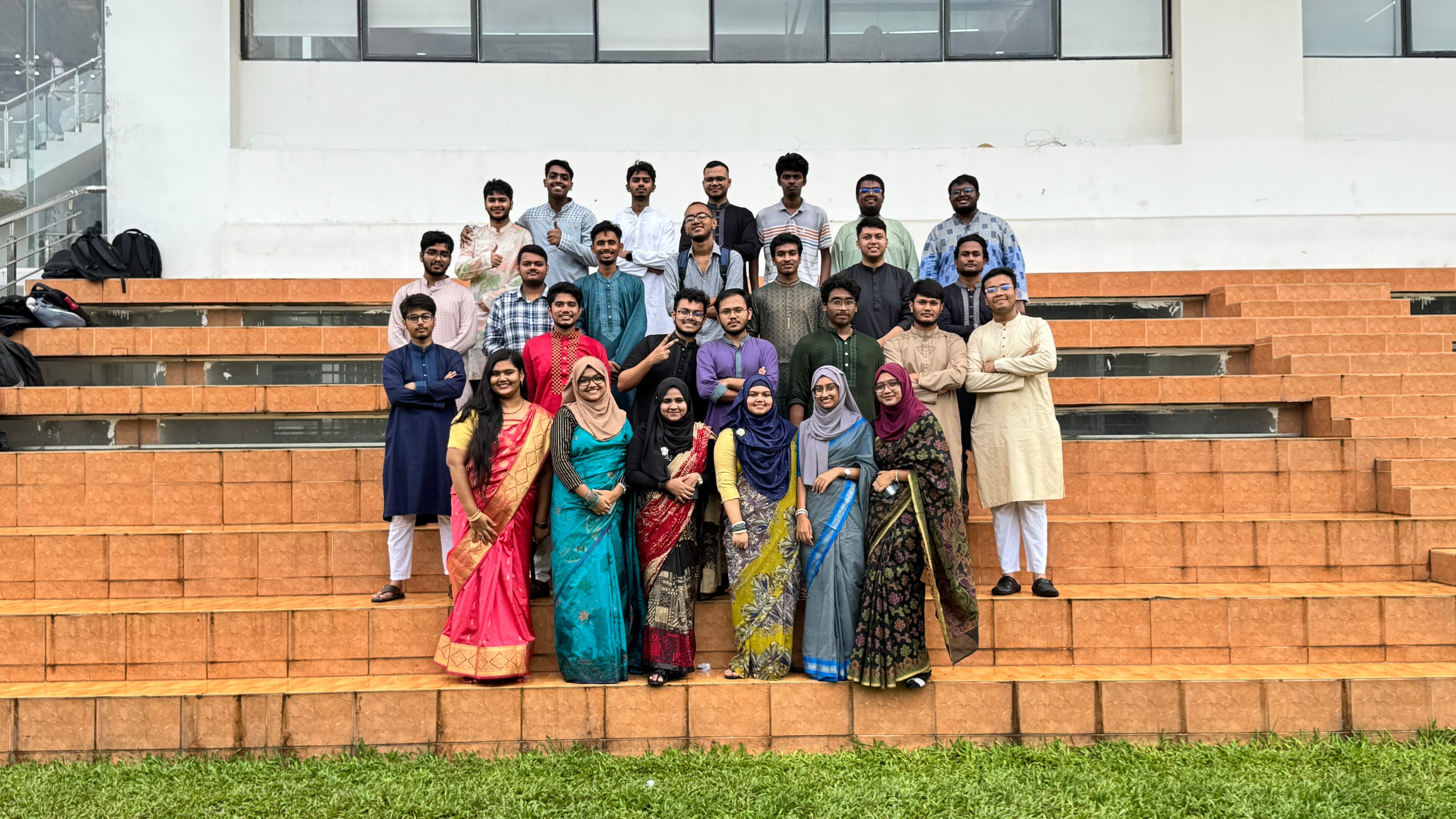
Here is a picture:

In Conclusion:
Notion offers a compelling CMS alternative, especially for users already familiar with the platform. Its simplicity, collaboration features, and database power make it a great option for specific use cases. However, carefully consider the limitations regarding hosting, SEO, and scalability before making the switch. It is also very easy to create complex tables for data.